The short version
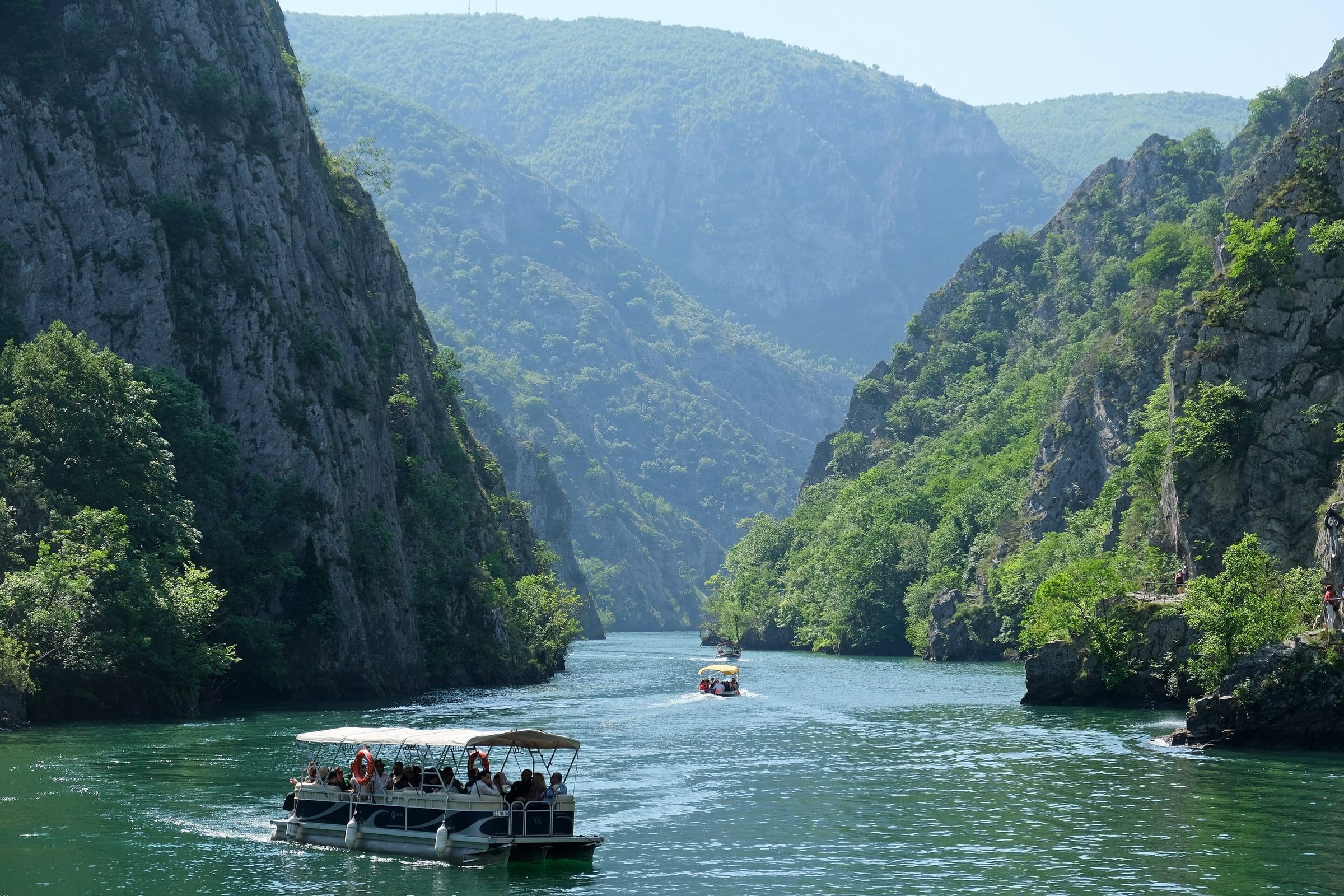
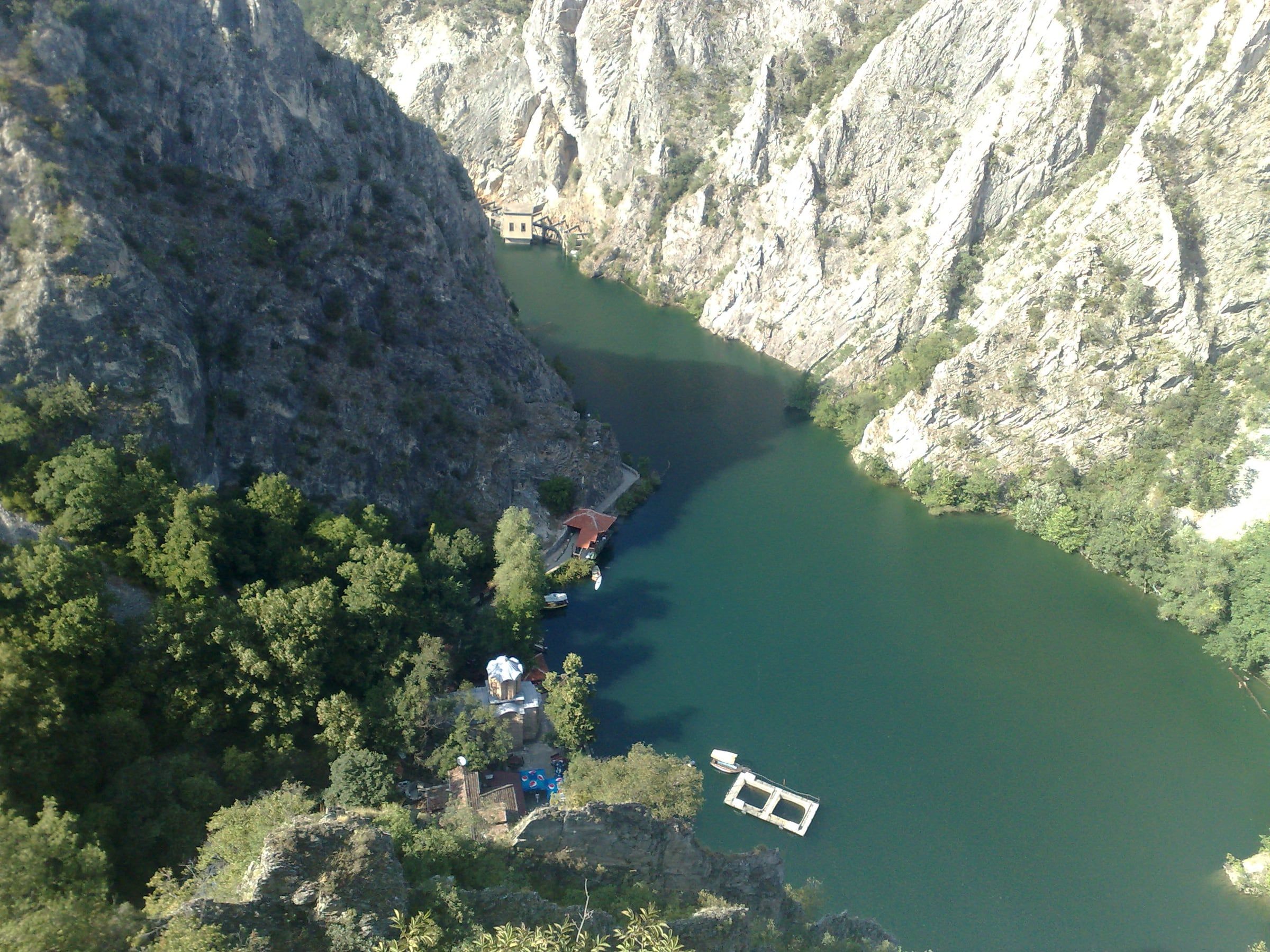
North Macedonia is easy to visit for a day at Matka Canyon, but it uses its own currency, has its own entry rules and a few local quirks. This page gives a short answer on each basic and links to the fuller guide where there is one.
This is an independent guide, not official advice. Rules change, so check GOV.UK before you travel.
Money
The currency is the Macedonian denar, code MKD. Wikipedia lists banknotes from 10 to 2,000 denars and coins from 1 to 50. It has been pegged to the euro since January 2002. We give no exchange rate, because rates move and we found no official figure.
At the canyon itself, our guides agree on one thing: bring cash. Macedonia Guidebook says cards are unreliable at the small kiosks and on the boats. Our money and currency guide has the detail.
Entry
GOV.UK says UK visitors can stay up to 3 months without a visa. Your passport must expire at least 90 days after you arrive. You must register with the local police within 48 hours, and a hotel will do it for you at check-in. The entry requirements guide explains what to do if you are not staying in a hotel.
Safety
GOV.UK describes attacks on foreign nationals as extremely rare and has no warning against travel to North Macedonia. It also names occasional shooting incidents, organised crime in the north, wildfires from April to October and occasional protests. Read is North Macedonia safe for the full list and for what our canyon guides say about paths and water.
Plugs and time zone
Wikivoyage gives 230 V and 50 Hz, with Europlug and Schuko sockets. UK visitors need an adaptor.
Wikipedia gives UTC+1 (CET) in winter and UTC+2 (CEST) in summer. The country calling code is +389.
Emergency numbers
GOV.UK lists these:
- 112: general emergency
- 192: police
- 194: ambulance
- 196: roadside assistance
Save them in your phone before you leave the hotel. Wikivoyage also gives 193 for the fire service, but GOV.UK does not list it, so treat it as less certain.
A few words of Macedonian
You can manage a day trip in English, but a few words help. The spellings below come from Wikivoyage’s phrasebook, which uses an informal pronunciation guide.
| English | Macedonian | Say it |
|---|---|---|
| Hello | Здраво | ZDRAH-voh |
| Goodbye | Довидување | doh-vee-DOO-vah-nyeh |
| Please | Ве молам | veh MOH-lahm |
| Thank you | Благодарам | blah-GOH-dah-rahm |
| Yes / No | Да / Не | dah / neh |
| Excuse me, sorry | Извинете | eez-VEE-neh-teh |
| Do you speak English? | Зборувате ли англиски? | zboh-ROO-vah-teh lee ahn-GLEES-kee |
| How much is this? | Колку е ова? | KOLku e ova |
| Water | вода | VOH-dah |
| Where are the toilets? | Каде се тоалетите? | KAH-deh seh twah-leh-TEE-teh |
| Help! | Помош! | POH-mosh |
| Cheers! | На здравје! | na ZDRAvie |
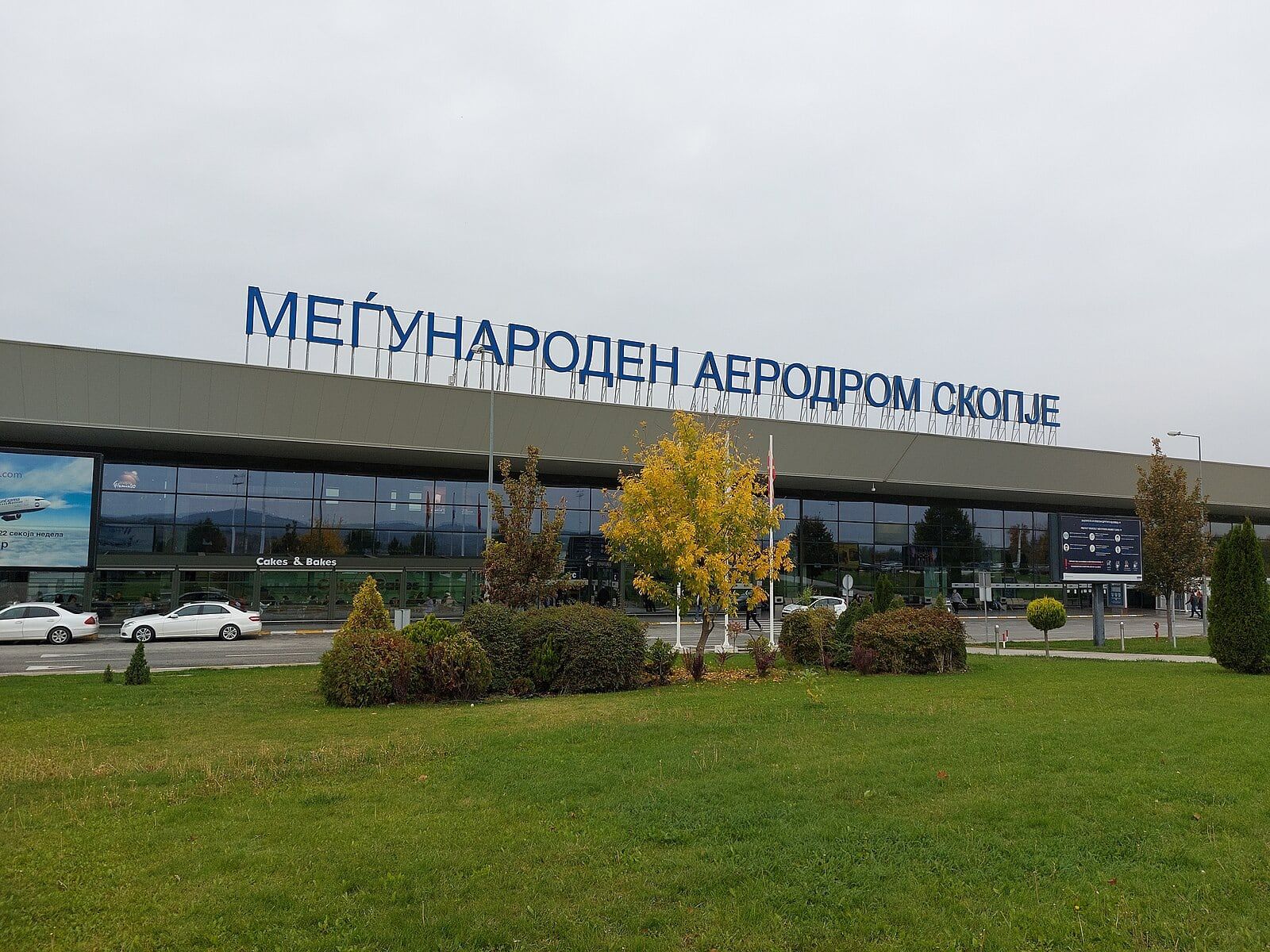
Macedonian is written in the Cyrillic alphabet. Wikivoyage says each letter has its own sound, so spelling is predictable once you know the letters. A few, such as Ѓ, Ј, Љ, Њ, Ќ and Џ, have sounds with no English match. Wikipedia lists Macedonian as the official language, with Albanian co-official.
Planning the rest of the trip
- Best time to visit: the seasons, and when the boats run.
- Getting there from Skopje: bus 60, taxi, hire car or tour.
- Where to stay in Skopje: which part of the city suits which visitor.